What is the F-number (Aperture) in Camera Lenses?
The F-number, often colloquially called the f-stop or its more official name, aperture, is one of the most commonly misunderstood aspects of photography. This art form blends creativity with a …
Camera gear explained
The F-number, often colloquially called the f-stop or its more official name, aperture, is one of the most commonly misunderstood aspects of photography. This art form blends creativity with a …
Macro photography is a fascinating niche that allows photographers to capture the tiniest details in the world around them, revealing intricate patterns and textures that are often invisible to the naked eye. Whether you’re shooting in nature or capturing everyday objects up close, nurturing your talent can help you transform ordinary subjects into extraordinary works of art. As you grow as an artist, you will develop your own style and consistently produce images that are more than picture-perfect. Here, we will show you eight ways to improve your macro photography skills. What is Macro Photography? Macro photography focuses on capturing close-up images of small objects with macro lenses and other applicable equipment. The idea is to magnify the subjects so that they look far larger than they are in real life, allowing the viewer a glimpse of the details that they will never see in everyday life. We can define macro photography as any shot enlarged at a ratio of 1:1 or above. This type of photography finds its way into almost all genres of the art. Nature shots of flowers, insects, and raindrops are typical examples of macrophotography. Photographers also go this route to bring out the details of inanimate objects, like jewelry and food items. The wonder of macro photography lies in the magnification of colors, textures, and unseen details of the subject. Here are eight ways to elevate your skills: 1. Choosing the Right Equipment Many point-and-shoot cameras and cameraphones have built-in macro modes for capturing close-ups of the subject. These modes adjust the lens elements automatically and shift them closer to the sensor. However, cameras with macro mode usually can’t provide the necessary 1:1 or higher magnification ratio, which is essential for true macro images. For authentic macro shots, you need a camera with interchangeable lenses, like a DSLR or a mirrorless camera, and a good-quality macro lens. There are many on the market offering 1:1 magnification. Focal lengths of 90-105mm or longer are usually preferred due to the increased subject distance they provide. When shooting flat objects like stamps and coins, choose a flat-field macro lens for perfect sharpness. …
Product photography is an exciting and potentially lucrative career path. But if you lack the right toolsand environment, it can be difficult to produce high quality images. Fortunately, there are …
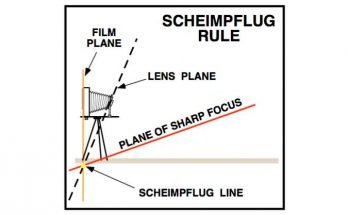
The Scheimpflug principle is a geometric rule describing the relationships between the orientation of the lens and image planes and the plane of focus.
As a digital photographer, staying organized is key to success. You’re constantly juggling files, images, emails, and more. Without a good organizational system in place, you’ll find yourself wasting countless …
For anyone following the evolution of photographic gear in the last few years, it’s no surprise that mirrorless cameras (or ILC as they are also known) have been steadily growing …
What is panoramic photography? To start our journey into the world of panoramic photography, let’s first define what makes a panoramic photo. Simply put, a panoramic photograph is one where …
Welcome to the newest episode of our blockbuster series Darkroom Is Possible! In it we investigate the different aspects of successfully equipping and running a home darkroom. In this instalment, …
As we all know, cameras are the key to making a cherished moment last a lifetime. While the love of photography hasn’t changed through the centuries, the technology we use …